Our research group’s name is changing
Following the reorganization of the Research Center for the Humanities and the establishment of the ELTE Research Center for the Humanities, the name of our research group changed on December 1, 2025. Our new name is: MTA–ELTE HTK Lendület ’Momentum’ Bases Research Group. In our second year of research, we completed the English version of the website of the project, so our previous news items are now also available in English.
Logo of the MTA–ELTE HTK Lendület ’Momentum’ Bases Research Group (graphics: Réka Fülöpp)
About the design of our logo
Here we also mention that the design of the research group’s logo is of particular importance in relation to all three thematic groups. Referring to the latter, it consists of three intertwined neck rings, focusing on the relationship between economic resources and settlements, as well as neck rings that can be interpreted as raw copper/bronze materials found in graves. These objects, which are of standard weight and similar shape, are often found in large numbers during the Early and Middle Bronze Age, “bundled” with organic string. Therefore scholars conclude that the most important metal raw material of the period may have been traded in this form. The colors of the logo represent the gold, copper, and bronze jewelry found in elite burials.
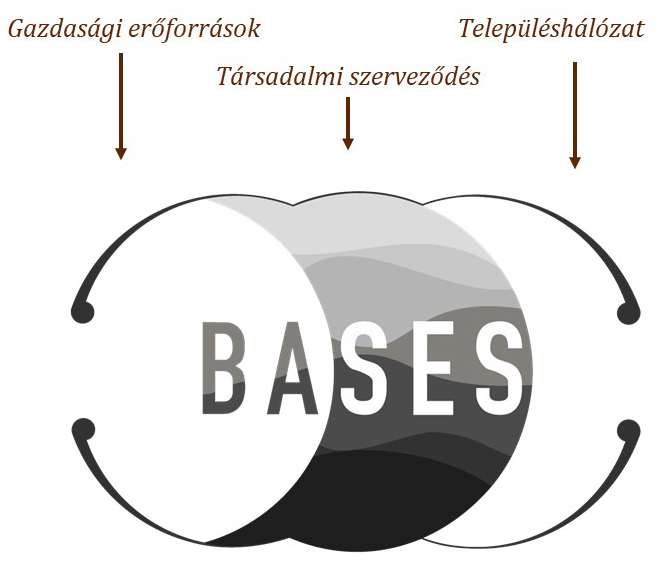
Thematic groups of the MTA–ELTE HTK Lendület ’Momentum’ Bases Research Group (Réka Fülöpp, Nóra Szabó)
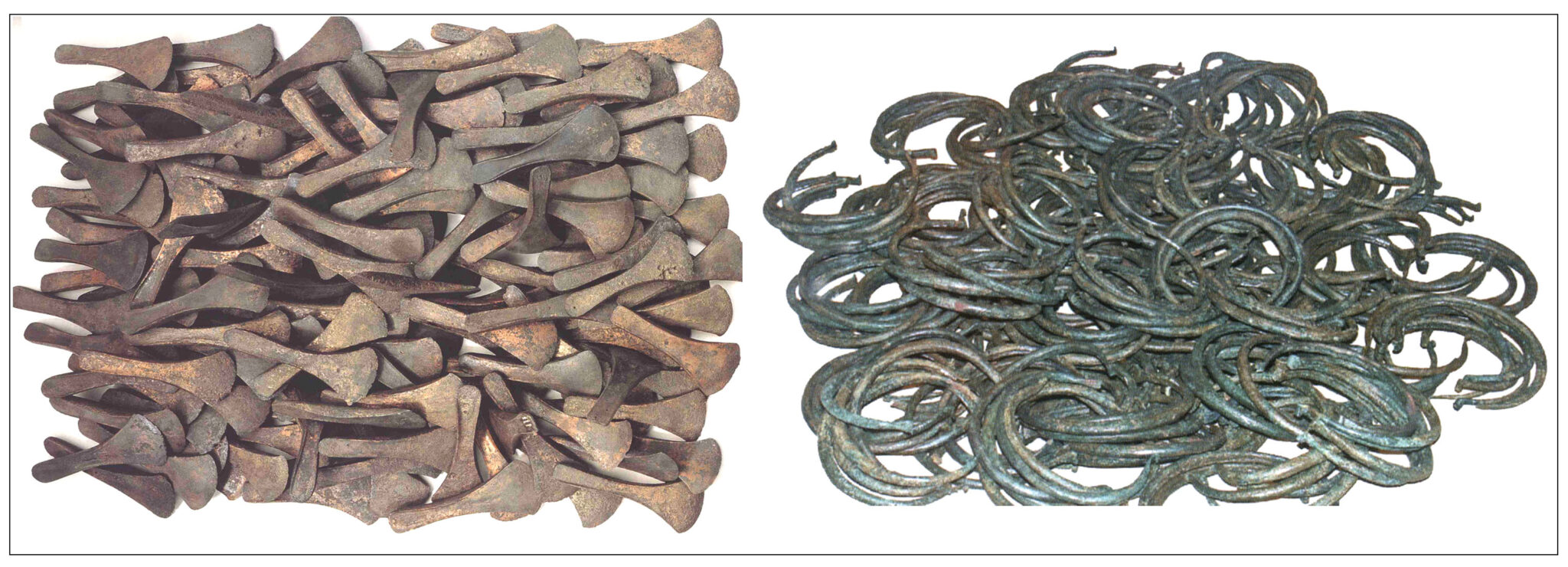
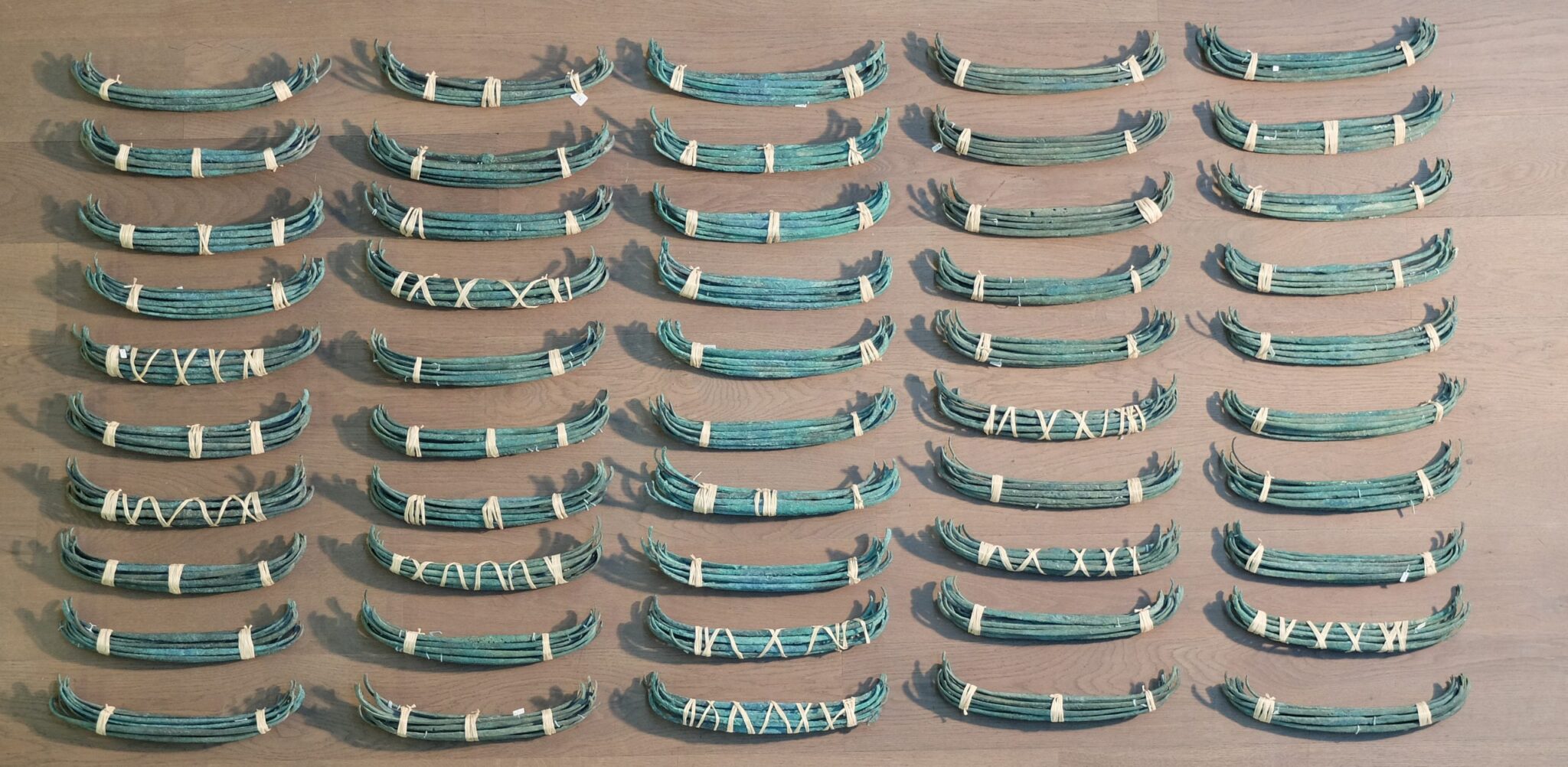
1. Axe, 2. neckring, 3. rib ingots of copper raw material (1-2. Krenn-Leeb–Neugebauer 1999; 3. https://museum-erding.de/spangenbarrenhort/)
Copper and bronze neckrings also served as a sign of high social status in the burials of the ruling class between 2300 and 1600 BC, such as in the graves of the Gáta–Wieselburg culture in Nagycenk (Gömöri et al. 2018; Melis et al. 2024).
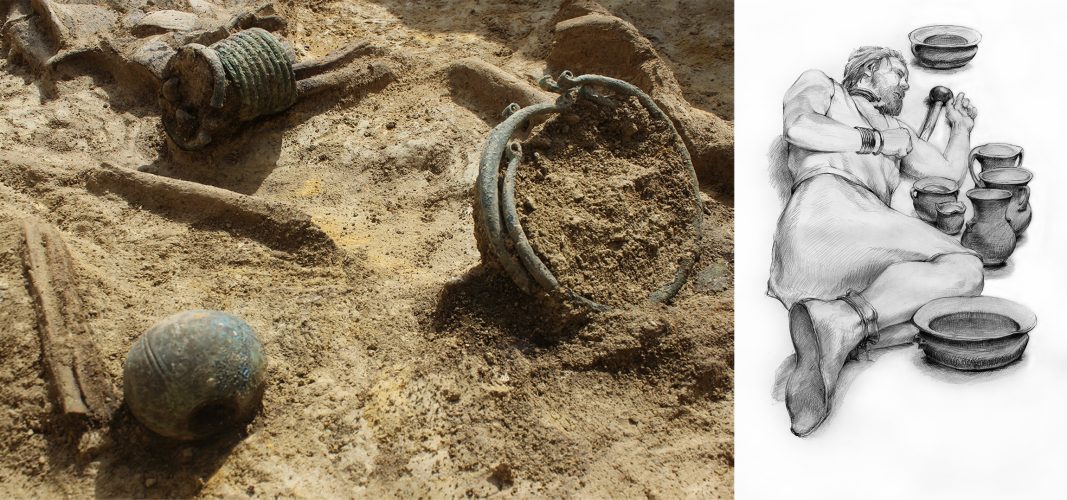
1-2. Nagycenk-Farkasverem Grave S153, burial of a 20-50 year-old male with exceptionally rarely found three neckrings (1. Melis et al. 2024, Fig. 3; photo: Gábor Szalai Gábor; 2. Melis et al. 2025, Fig. 4; drawing: Attila Szabadvári, Rómer Flóris Art and History Museum)
Experiences shows that hoards containing only necklaces are typical in areas close to mines. While in regions far from the mines of the Alps and the northwestern Carpathians, such as present-day Hungary, these objects have so far only been found in graves, worn around the neck as a sign of power, and in so-called mixed hoards (Mischdepot), which also contained other types of objects (Lenerz-de Wilde 1995; Vandkilde 2005; Krenn-Leeb 2010). Neck rings weighing between 174 and 213 g were found in the Nagycenk-Farkasvermi graves, with an average weight of 197 g. The seven copper neck rings found in the Nagycenk-Laposrét cemetery showed greater variation in weight: the smallest specimen was found in a child’s grave (6 g), while the heaviest was found in an adult burial, weighing 358 g. The Röjtökmuzsaj hoard contained 30 neckrings with an average weight of 176 g (Mrenka 2023; Melis et al. 2024).
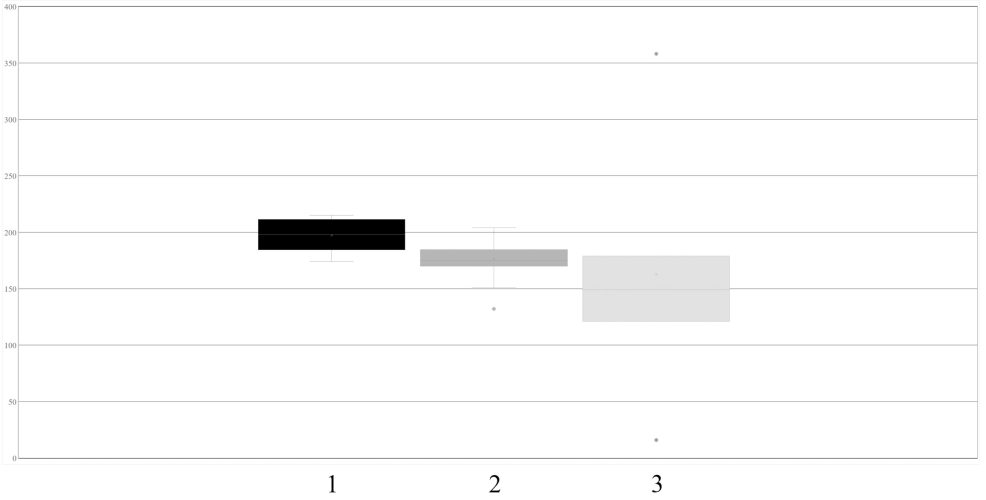
Box plot diagram showing the weight (in grams) of copper/bronze neck rings. 1: Nagycenk-Farkasverem (8 items); 2: Röjtökmuzsaj-Tölgyerdő, depot (30 items); 3: Nagycenk-Lapos-rét, cemetery (7 items; Melis et al. 2024, Fig. 15)
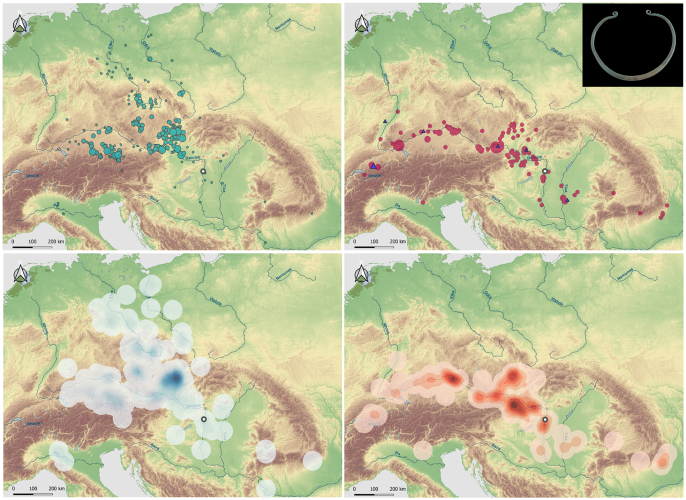
Geographical and density distribution of neckrings (Ösenringe) found in hoards (top and bottom left) and in burials (top and bottom right) (Cavazzuti et al. 2021, Fig. 4)
The significance of the necklace deposit recently discovered in Röjtökmuzsaj lies in the fact that it may indicate a lesser-known source of copper raw materials located nearby, presumably in the Little Carpathians. Further examination of these objects may yield significant results for all three of our research groups.
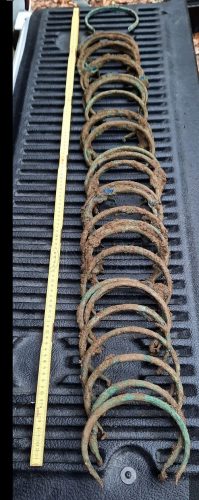
The neckring (Ösenring) hoard from Röjtökmuzsaj (photo: Attila Mrenka, Soproni Múzeum)
References
Cavazzuti, C., Hajdu, T., Lugli, F., Sperduti, A., Vicze, M., Horváth, A., Major, I., Molnár, M., Palcsu, L. és Kiss, V. (2021). Human mobility in a Bronze Age Vatya ‘urnfield’ and the life history of a high-status woman. Plos One 16: e0254360. https://doi.org/10.1371/journal.pone.0254360
Gömöri, J., Melis, E. és Kiss, V. (2018). A cemetery of the Gáta-Wieselburg culture at Nagycenk (Western Hungary). Acta Archaeologica Academiae Scientiarum Hungaricae 69: 5–82. https://doi.org/10.1556/072.2018.69.1.1
Krenn-Leeb, A., Neugebauer, J-W.: Depotfunde der Bronzezeit im mittleren Donauraum. Archäologie Österreichs Sonderausgabe 9–10 (1998–1999 [1999])
Krenn-Leeb, A.: Ressource versus Ritual – Deponierungsstrategien der Frühbronzezeit in Österreich. In: Meller, H., Bertemes F. (eds): Der Griff nach den Sternen. Internationales Symposium in Halle (Saale) 16.–21. Februar 2005. Tagungen des Landesmuseums für Vorgeschichte Halle 5. Halle/Saale. Landesamt für Denkmalpflege und Archäologie Sachsen-Anhalt, Halle/Saale 2010, 281–315.
Lenerz de Wilde, M.: Prämonetäre Zahlungsmittel in der Kupfer- und Bronzezeit Mitteleuropas. Fundberichte aus Baden-Württemberg 20 (1995) 229–327.
Melis E., Savanyú B., Hajdu T., Gémes A., Gyenesei K., Mrenka A.: A Gáta–Wieselburg-kultúra temetője és kiemelkedő síregyüttesei Nagycenk-Farkasverem lelőhelyről. Archaeologiai Értesítő 149 (2024) 105–134.
Melis E., Mrenka A., Savanyú B.: Buzogány vagy jogar? Kiemelkedő férfi temetkezés a kora bronzkorból a Fertő-tó vidékén/Mace or Sceptre? An exceptional Early Bronze Age male burial from the area of Lake Fertő. Magyar Régészet/Hungarian Archaeology 14 (2025/1) 12–24. https://doi.org/10.36245/mr.2025.1.2/https://doi.org/10.36338/ha.2025.1.2
Mrenka A. (2023). Előzetes jelentés a röjtökmuzsaji nyakperec depóról (Preliminary report about the neck-ring depot from Röjtökmuzsaj [Hungary]). Archaeologiai Értesítő 148:1, 157–183. https://doi.org/10.1556/0208.2023.00046
Spangenbarrenhort, Oberding: Gebündelt und vergraben – ein rätselhaftes Kupferdepot der Frühbronzezeit. Museum Erding, Schriften 2. Erding, Stadt Erding, 2017.